
Project Sentinel: The First Repair-Diagnostics Platform Built for Technicians, Not Consumers
July 15, 2026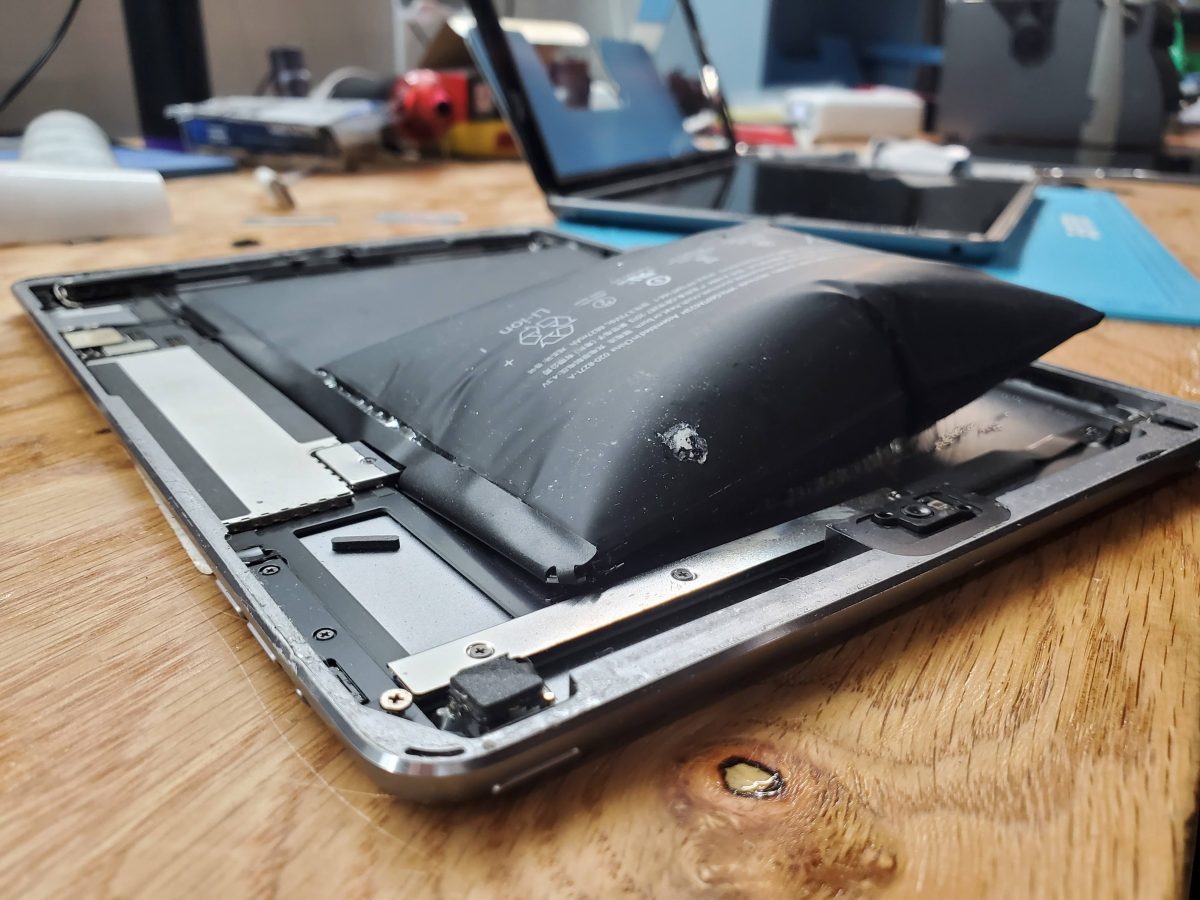
When your phone was new, it easily lasted all day. Now it’s begging for a charger by lunchtime, dying at random, or — most concerning — the back feels like it’s puffing up. Phone batteries wear out with everyday use, and knowing the warning signs can save you a lot of frustration and keep you safe.
Signs your battery is on its way out
- It drains fast even when you’re barely using it.
- It shuts down randomly, sometimes with plenty of charge left.
- It dies quickly in the cold or gets very hot while charging.
- The phone feels sluggish, because the system slows itself down to cope with a weak battery.
- The back cover or screen looks like it’s bulging or lifting at the edges.
Swelling is a safety issue — act on it
That puffy, bulging feeling is a swollen battery, and it’s not something to ignore or “wait out.” A swollen lithium battery is under pressure and can become a fire hazard. Don’t press on it, don’t puncture it, and keep it away from heat. Stop using the phone and bring it in so the battery can be removed and replaced safely.
Why batteries wear out
Every rechargeable battery has a limited number of charge cycles in it. After a couple of years of daily charging — plus the heat from Texas summers, gaming, and fast chargers — the chemistry inside simply can’t hold what it used to. It’s normal wear, not something you did wrong, and it’s very fixable.
How Device Hero can help
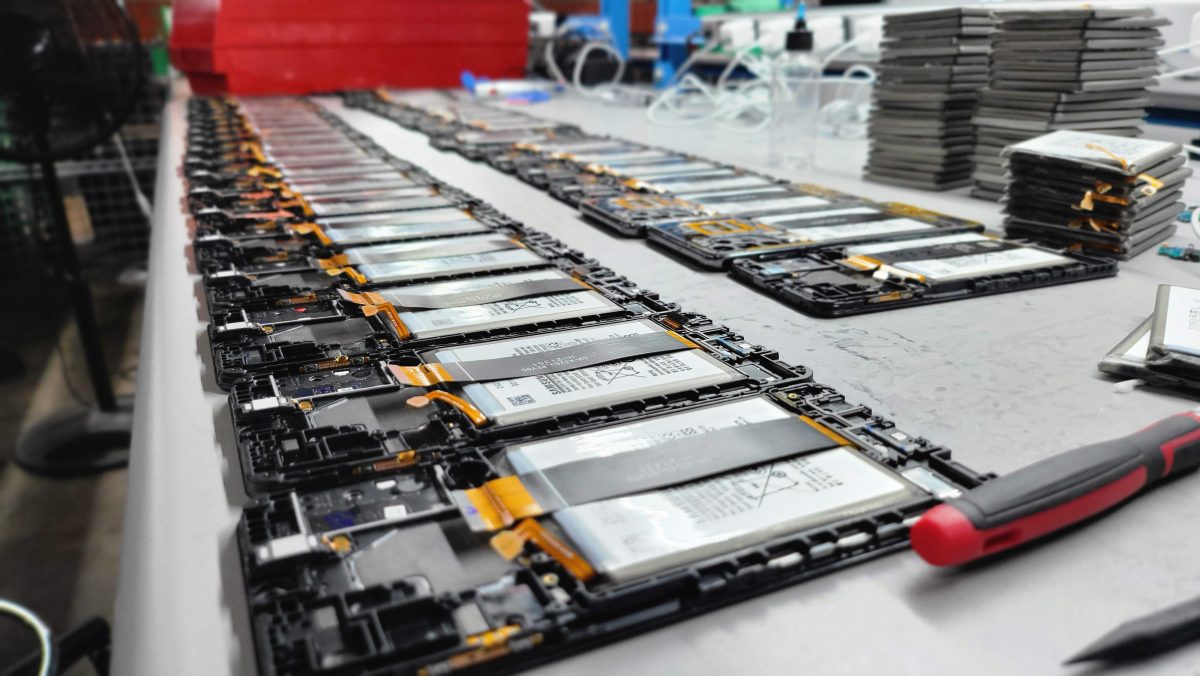
A fresh, quality battery can make an aging phone feel brand new again — all-day life and no surprise shutdowns. We safely remove the old battery (including swollen ones, which need careful handling) and install a new one, usually in about 30–45 minutes while you wait. It starts with a free diagnosis, and the work is backed by our 60-day warranty. Swing by Device Hero at 209 Lexington St, Manor, TX, or call 512-774-4376 or 512-996-7134, and we’ll get your battery life back.
¿La batería se agota rápido o está hinchada? Cuándo cambiarla
Versión en español
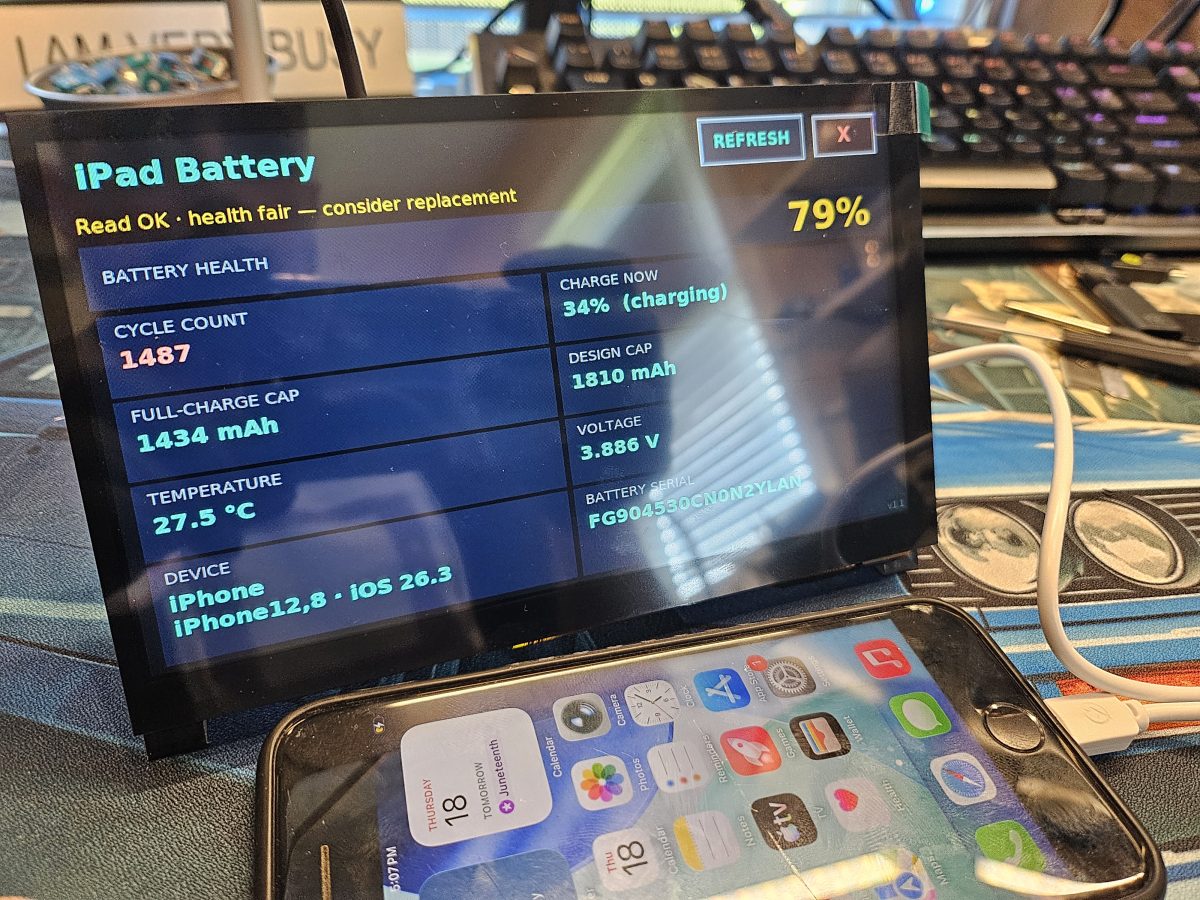
Cuando tu teléfono era nuevo, aguantaba todo el día sin problema. Ahora anda pidiendo cargador a mediodía, se apaga sin avisar o — lo más preocupante — la tapa trasera se siente como si se estuviera inflando. Las baterías se desgastan con el uso diario, y conocer las señales de alerta te puede ahorrar muchos corajes y mantenerte seguro.
Señales de que la batería ya se va
- Se agota rápido aunque casi no lo estés usando.
- Se apaga solo, a veces con bastante carga todavía.
- Se muere rápido con el frío o se calienta mucho al cargar.
- El teléfono se siente lento, porque el sistema se frena para compensar una batería débil.
- La tapa o la pantalla se ven abultadas o levantadas por las orillas.
La hinchazón es un tema de seguridad — atiéndelo
Esa sensación abultada es una batería hinchada, y no es algo que debas ignorar o “dejar pasar.” Una batería de litio hinchada está bajo presión y puede convertirse en un riesgo de incendio. No la presiones, no la perfores y mantenla lejos del calor. Deja de usar el teléfono y tráelo para que podamos sacar y reemplazar la batería de forma segura.
Por qué se desgastan las baterías
Toda batería recargable tiene un número limitado de ciclos de carga. Después de un par de años cargándola a diario — más el calor de los veranos de Texas, los videojuegos y los cargadores rápidos — la química de adentro ya no rinde como antes. Es desgaste normal, no algo que hayas hecho mal, y tiene arreglo.
Cómo te puede ayudar Device Hero
Una batería nueva y de calidad puede hacer que un teléfono viejo se sienta como recién salido de la caja — batería para todo el día y sin apagones sorpresa. Sacamos con seguridad la batería vieja (incluidas las hinchadas, que requieren manejo cuidadoso) e instalamos una nueva, por lo general en unos 30 a 45 minutos mientras esperas. Todo empieza con un diagnóstico gratis, y el trabajo está respaldado por nuestra garantía de 60 días. Date una vuelta por Device Hero en 209 Lexington St, Manor, TX, o llama al 512-774-4376 or 512-996-7134, y te devolvemos la duración de tu batería.